
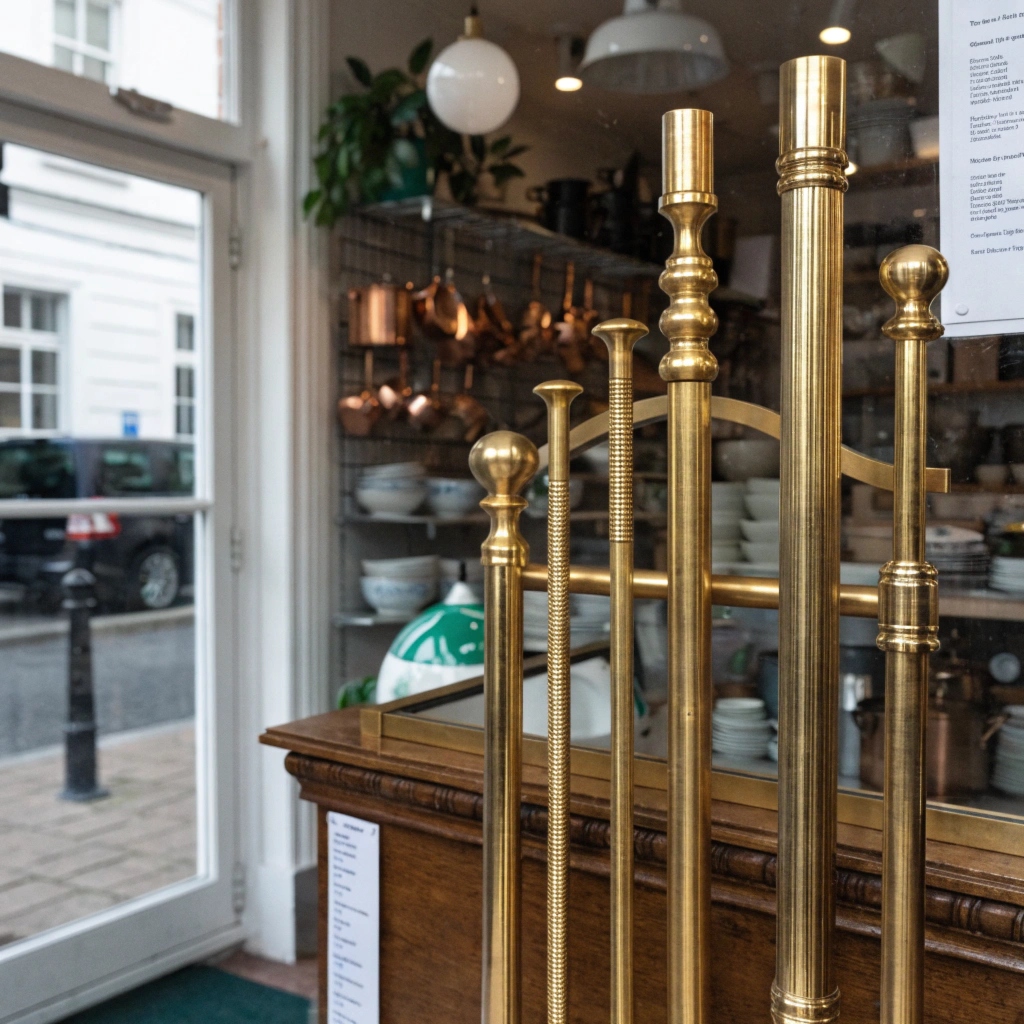
Let me tell you something. I’ve stood in many a living room — my own included — staring at sad, silver-toned poles that look like they belong in a sports hall changing room rather than a beautifully styled home. If that resonates, it might be time to consider something a little more… golden.
Brass curtain poles are having a moment. Actually, scratch that — they’re having a revival. And honestly? They never should have left. Whether you’re drawn to the warm, burnished look of an antique brass curtain pole or the clean gleam of a polished finish, there’s something undeniably grown-up and sophisticated about brass hardware. It elevates a room in the way a good pair of shoes elevates an outfit.
So, if you’re ready to make your windows work a bit harder aesthetically, pull up a seat — this guide covers everything from choosing the right style to cutting, cleaning, and where to buy curtain poles in the UK.
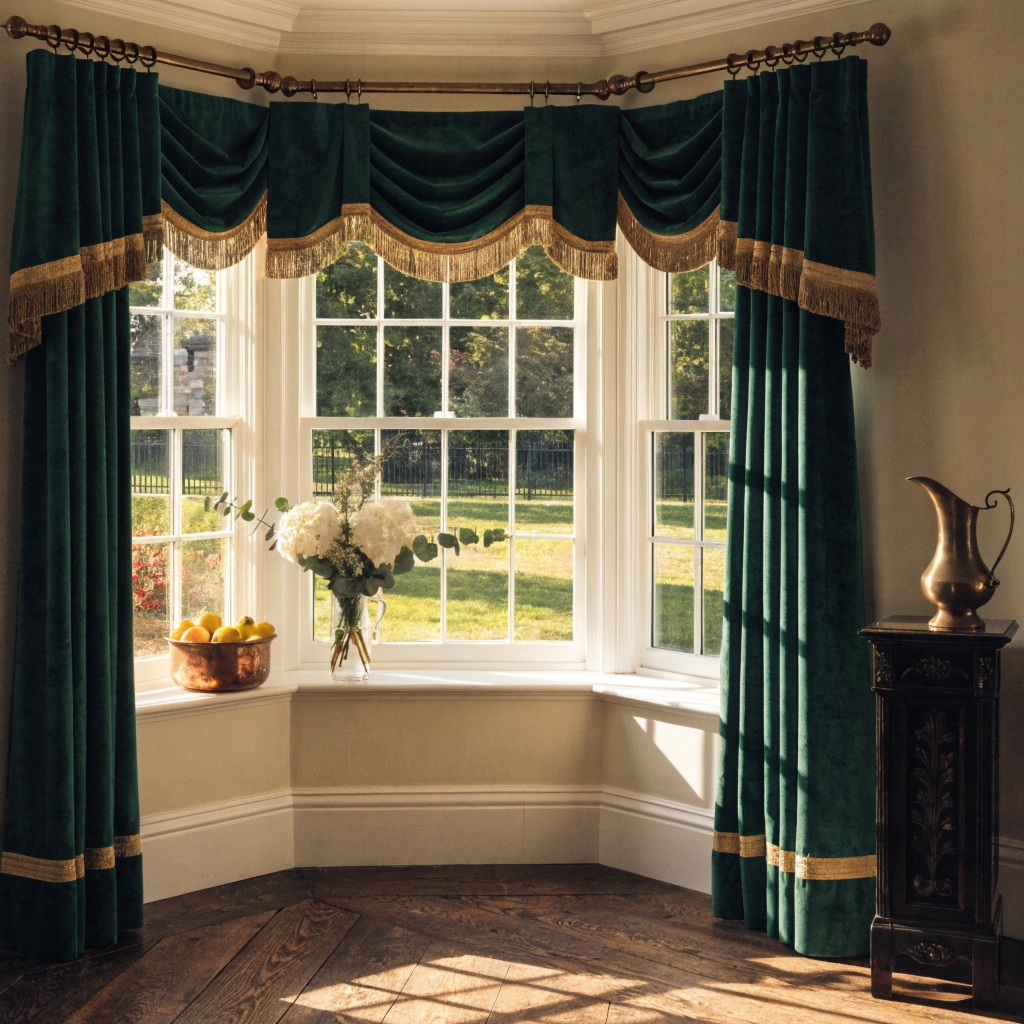
There’s a reason brass is popping up in every interiors magazine and Pinterest board right now. Warm metallics in general — think gold, bronze, and copper — have become the antidote to the cold grey-and-chrome trend that dominated the 2010s. Brass, in particular, brings a sense of heritage and warmth that feels genuinely timeless.
And it’s not just about aesthetics. Brass is a durable, corrosion-resistant material that actually improves with age. That slight patina that develops? It’s not a flaw — it’s character. It’s your home telling a story.
Here’s what makes a curtain pole brass an interior design investment worth making:
- Warmth and depth that silver, chrome, and black simply cannot replicate
- Versatility — works beautifully in both traditional and contemporary homes
- Natural ageing that adds rather than detracts from its beauty
- Wide range of finishes from bright polish to rich antique tones
- Compatible with a huge variety of curtain eyelet rings and finials
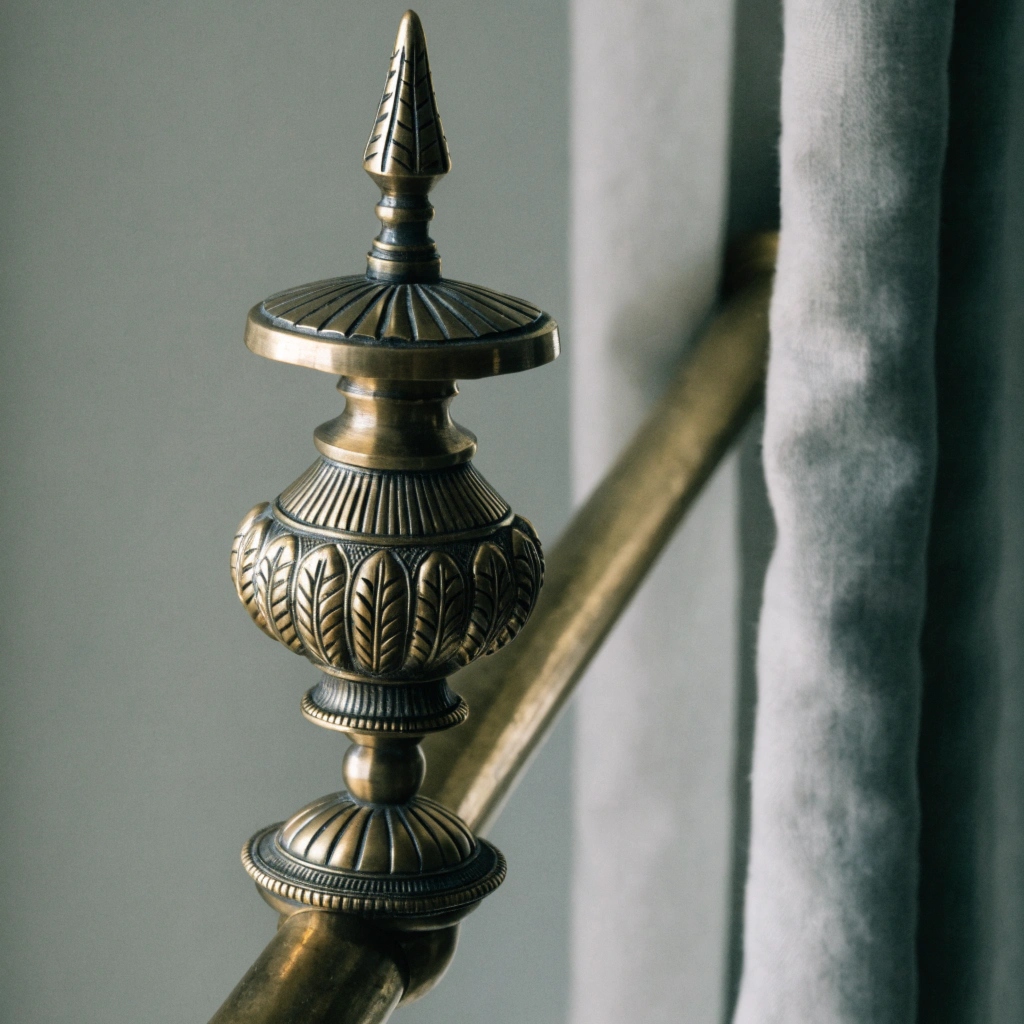
If you want to get specific — and honestly, you should — antique brass curtain poles are arguably the most popular variant on the market right now. The difference between standard polished brass and antique brass is subtle but significant. Polished brass is bright, shiny, almost mirror-like. Antique brass, on the other hand, has a deliberately aged, matte-ish finish with darker tones in the recesses.
Think of it this way: polished brass is the interior equivalent of a fresh blazer straight from the dry cleaner. Antique brass is the perfectly broken-in leather jacket that’s been with you for fifteen years. Both are brilliant. One just has more stories.
Antique brass curtain poles work particularly well in:
- Victorian and Edwardian terraced houses (very common across the UK’s suburban stock)
- Period-feature flats with original cornicing and architraves
- Modern homes going for a ‘collected over time’ rather than ‘just moved in’ look
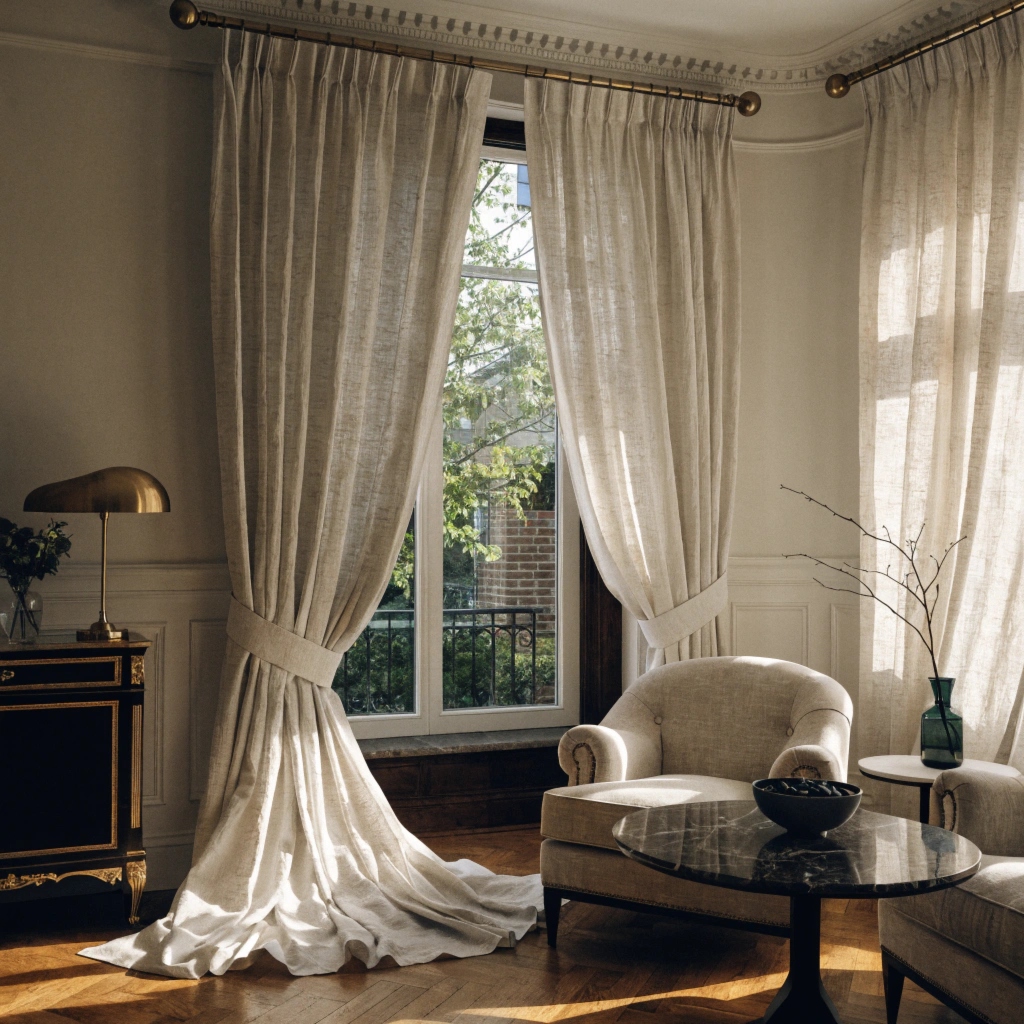
Any room with velvet, linen, or heavy woven curtains — the textures complement beautifully
| Feature | Polished Brass | Antique Brass |
|---|---|---|
|
Finish |
Bright, mirror-like shine |
Warm, aged, matte tones |
|
Style |
Contemporary / Art Deco |
Traditional / Eclectic |
|
Maintenance |
Shows fingerprints more easily |
Hides minor marks better |
|
Best rooms |
Kitchens, bathrooms, modern spaces |
Living rooms, bedrooms, studies |
|
Pairs with |
White walls, bold colours |
Neutral palettes, warm tones |
|
Price range |
£15 – £80+ |
£20 – £100+ |
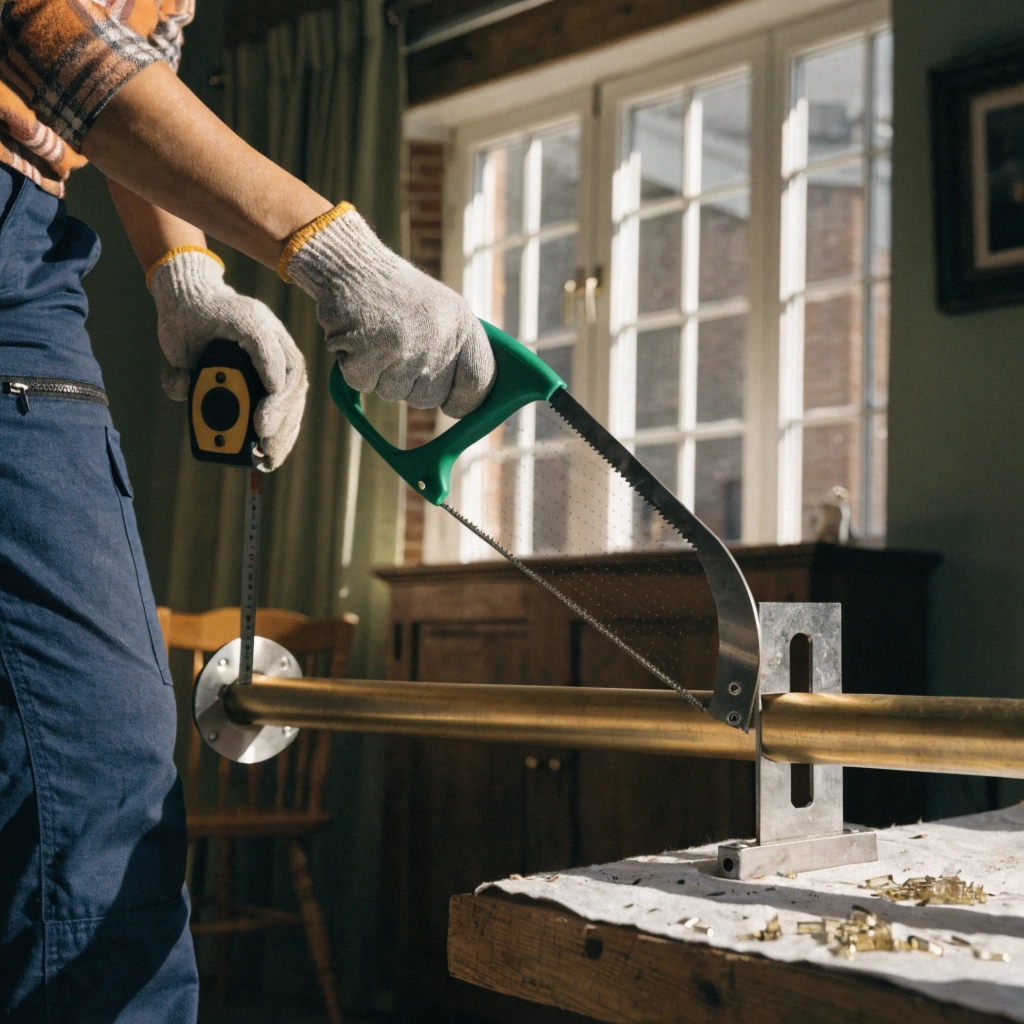
I hear from people renovating or redecorating is: how do you cut a brass curtain pole to size? It’s a fair concern — measure wrong and you’ve got a pole that’s either too short (disaster) or sticking out past the brackets like a comedy antenna.
The good news? Cutting a brass curtain pole is genuinely straightforward if you have the right tools and take your time. Here’s how to do it properly:
- A fine-toothed hacksaw (or a pipe cutter for a cleaner edge)
- A metal file or fine sandpaper to smooth the cut end
- A measuring tape and pencil or masking tape to mark your cut line
- A mitre box or cutting guide to keep your cut straight
- Safety gloves — brass edges can be sharp
- Measure twice, cut once. Seriously — measure the full width of your window recess (or the full wall width for a recess-to-recess fit), then add roughly 15–20cm on each side for the brackets and finials. Double-check. Then check again.
- Mark your cut line clearly. Wrap a strip of masking tape around the pole at the cut point — this gives you a visible guide and also helps prevent the brass from cracking or splitting as you cut.
- Secure the pole firmly. A vice is ideal, but a clamp on a workbench works too. You don’t want it rolling mid-cut.
- Cut slowly and steadily. Let the hacksaw do the work. Don’t rush — a slow, even stroke gives a cleaner edge. Keep the blade perpendicular to the pole.
- File the edge smooth. Once cut, use a metal file to remove any burrs or sharp edges. Finish with fine sandpaper if needed — especially important if the cut end will be visible.
Pro tip: If you’re buying a brass curtain pole from a specialist retailer, many will cut it to size for you in-store or offer a custom-cut service. Worth asking before you get the hacksaw out.
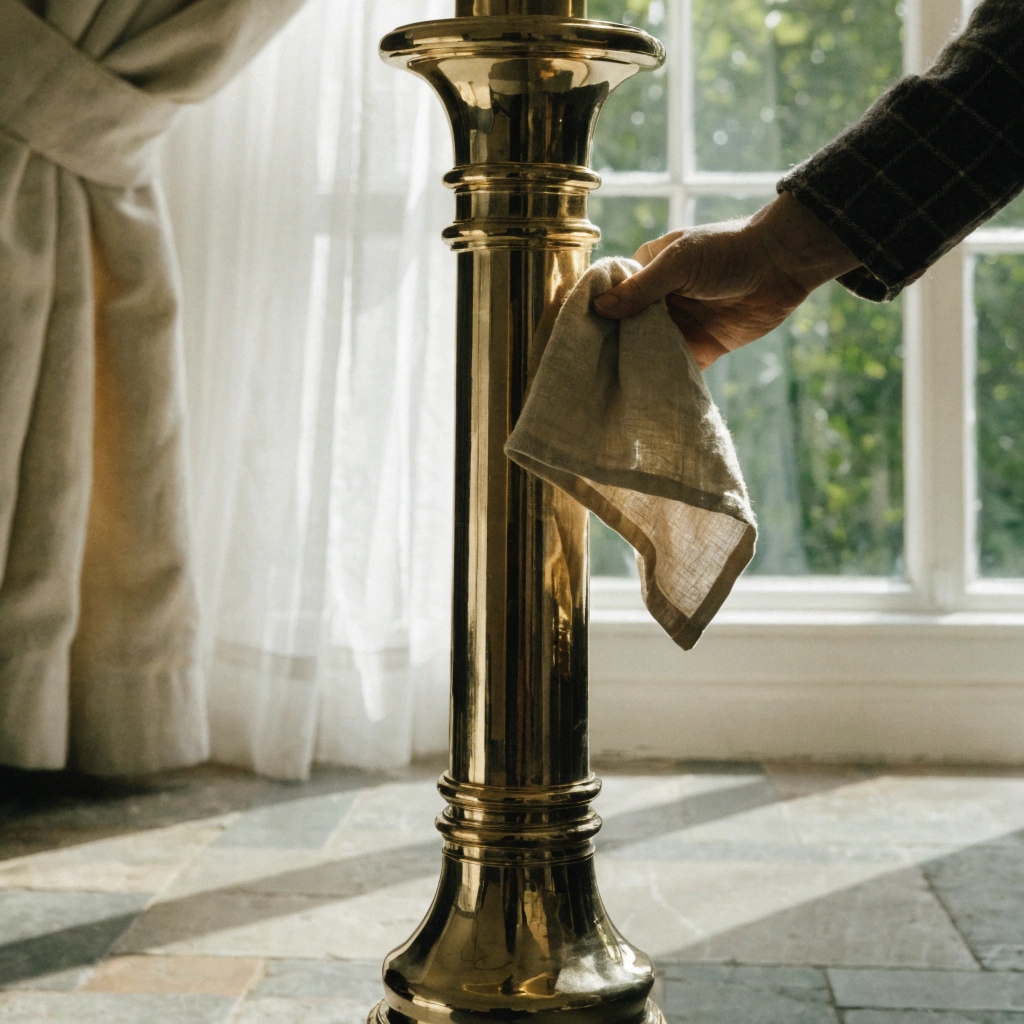
Brass is brilliant, but it does need a little love. Over time — especially in kitchens or rooms with high humidity — brass can tarnish, losing its lustre and developing a dull, greenish cast. The key is knowing whether your pole is lacquered or unlacquered, as this changes how you should clean it.
Most modern brass curtain poles come with a protective lacquer coating. This keeps them looking shiny and slows tarnishing — but it also means you need to be gentle.
- Use a soft, damp cloth with mild washing-up liquid
- Wipe gently in the direction of the grain
- Dry thoroughly with a clean, soft cloth — water left sitting can cloud the lacquer
- Never use abrasive cleaners, wire wool, or harsh chemicals — they’ll strip the lacquer
Unlacquered brass develops a natural patina over time — and for antique brass poles, that’s part of the charm. But if you want to brighten things up, here’s a great natural method:
- Mix equal parts white vinegar and flour, then add a teaspoon of salt to create a paste
- Apply the paste to the brass and leave for 10–15 minutes
- Rinse with warm water and buff dry with a soft cloth
- Alternatively, a dedicated brass cleaner like Brasso works well for more stubborn tarnish
- Finish with a thin coat of furniture wax to protect the surface and slow future tarnishing
Quick tip: If you’re unsure whether your pole is lacquered, try a small spot test in an inconspicuous area before applying any cleaning product.
Whether you’re after a budget-friendly option or a premium investment piece, there are plenty of great places to buy curtain poles in the UK. Here’s a breakdown of where to look depending on what you need:
| Retailer / Platform | Best For | Price Range |
|---|---|---|
|
Wide range, fast delivery, user reviews |
£15 – £60 |
|
|
AWIN Merchants (e.g. Dunelm, Next Home) |
Mid-range, stylish options, great for matching rings & finials |
£25 – £90 |
|
John Lewis & Partners |
Premium quality, excellent customer service |
£40 – £150+ |
|
Etsy UK |
Handmade, bespoke, and vintage brass poles |
£30 – £200+ |
|
B&Q / Wickes |
Affordable, available in-store across the UK |
£15 – £50 |
|
Custom sizes, expert advice, highest quality |
£50 – £200+ |
My honest recommendation? For most people in the UK, a combination of John Lewis (for quality and range) and Amazon UK (for convenience and competitive pricing) covers 90% of what you need. If you’re after something truly unique — a specific antique finish, unusual diameter, or bespoke length — an Etsy UK seller or specialist retailer is worth the extra investment.
Can I use brass curtain poles in a modern home?
Absolutely. The key is to match the finish to your existing hardware and accessories. In a contemporary home, go for brighter polished brass and keep the finials simple and clean. In a more traditional space, antique brass with ornate finials is a natural fit. Brass is far more flexible than people give it credit for.
What diameter should a brass curtain pole be?
The most common diameters in the UK are 19mm, 25mm, 28mm, and 35mm. For standard curtains in living rooms or bedrooms, 28mm is a popular mid-range choice. For heavier, lined curtains or very wide windows, go for 35mm — the extra girth handles the weight much better without sagging.
Are brass curtain poles heavier than chrome or aluminium?
Generally, yes. Solid brass is denser than aluminium and most chrome-plated alternatives. This means you may need to use wall plugs and rawl bolts rather than simple screws, especially in older UK homes with plaster walls. If in doubt, always check the bracket’s weight capacity before purchasing.
Do brass curtain poles tarnish over time?
Lacquered poles are protected and will maintain their look for years with minimal upkeep. Unlacquered brass will naturally tarnish and develop a patina — which many homeowners actually prefer, particularly with antique brass finishes. If you want to maintain a brighter look on unlacquered brass, a regular clean with a brass-specific polish will do the trick.
Choosing a brass curtain pole is one of those small decisions that makes a disproportionately large difference to how a room looks and feels. It’s the kind of detail that visitors notice without quite knowing why — the thing that makes a room feel finished, considered, and genuinely stylish.
Whether you go for gleaming polished brass or the more relaxed warmth of antique brass curtain poles, you’re making a choice that will age beautifully and outlast a dozen trend cycles. That’s the thing about quality materials — they don’t date. They develop.
So: measure your windows, pick your finish, decide whether you’ll cut to size yourself or lean on a retailer’s service, and go for it. Your windows — and frankly, your whole living room — will thank you for it.
Ready to shop? Browse the best brass curtain poles on Amazon UK or explore the full range at Dunelm John Lewis AWIN Got a question or tip to share? Drop it in the comments below — I’d love to hear how you’ve styled your own brass pole