
What is NATO Article 4?
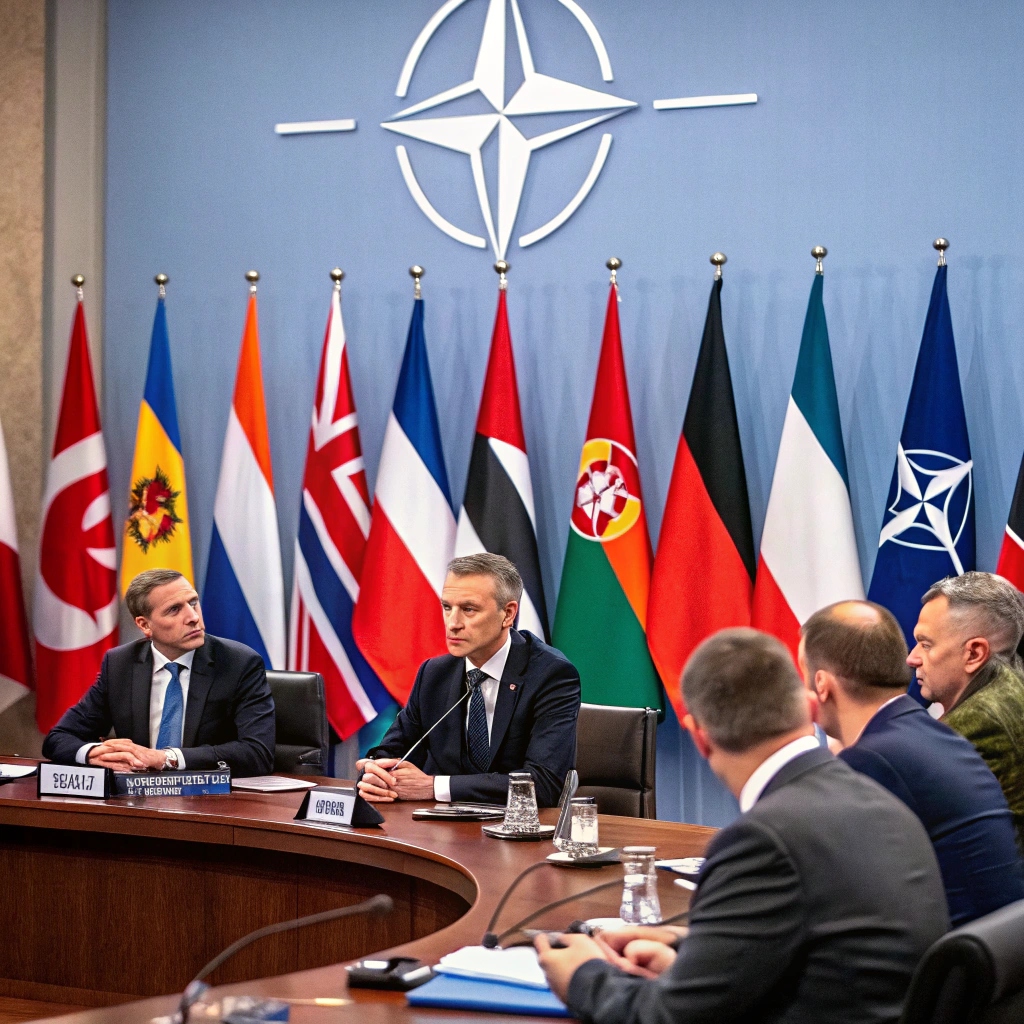
NATO Article 4 is an important part of the North Atlantic Treaty. This article allows any member country to ask for a NATO security consultation when it feels threatened. The purpose is to discuss any rising tensions or dangers. Many people search for “nato article 4” to learn how this process works and why it is important.
How Does NATO Article 4 Work?
When a member country wants to use Article 4, it sends a request to its NATO allies. This request starts a NATO consultation process. During this process, all member countries talk about the threat and decide the next steps. It is a way to share information and plan a response together.
NATO Consultation Process
The NATO consultation process under Article 4 makes sure that all members are on the same page. It is a key part of team work in the alliance. The process helps prevent conflicts and increases trust among the countries. Many Americans are curious about when NATO Article 4 was invoked and how this security consultation works.
What is in NATO Article 5?
While NATO Article 4 is about consultation, Article 5 is about collective defense. Article 5 states that if one member country is attacked, it is considered an attack on all members. This means that all countries in NATO will help defend the country that is under attack. This agreement has reassured many nations and is a strong promise of friendship and protection.
NATO Article 4 vs Article 5
There are a few key differences between Article 4 and Article 5. The main difference is that Article 4 is used to consult with allies when there is a potential threat, while Article 5 is a full commitment to help if a member is actually attacked. In other words, NATO Article 4 meaning centers on discussing the problem, and NATO Article 4 vs Article 5 shows how steps change from talking (Article 4) to action (Article 5).
Examples of NATO Article 4 Invocation
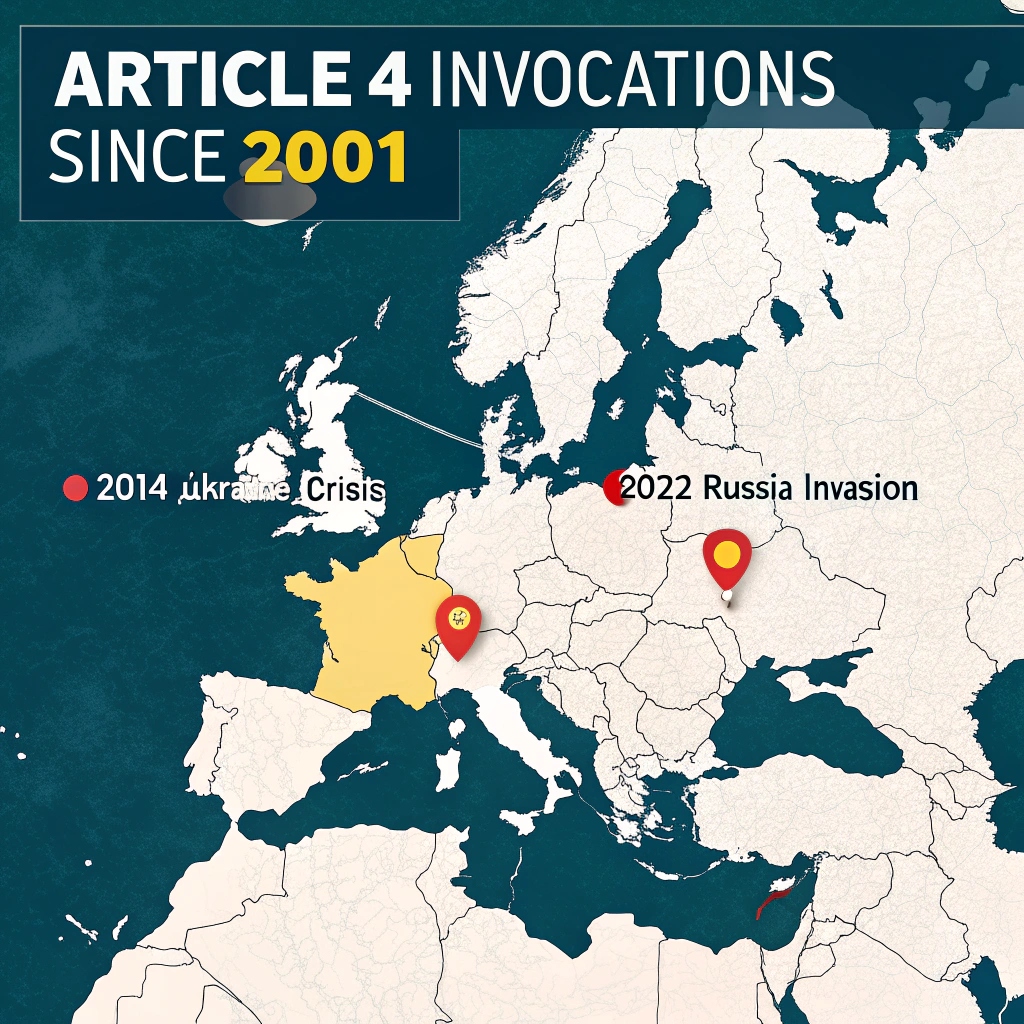
Over the years, there have been times when member countries have pushed for a NATO security consultation under Article 4. These examples show that the alliance is active in discussing ways to help keep countries safe. People search for examples of NATO Article 4 invocation to understand how this mechanism helps in real life.
What Triggers NATO Article 4?
Many questions arise about what triggers NATO Article 4. Basically, if a member country sees a rising threat or feels its security is at risk, it may use Article 4. The request for a NATO security consultation happens before any real danger appears. This helps the alliance decide together on the best way forward.
NATO Collective Defense Mechanism
In addition to these articles, NATO has a strong collective defense mechanism. This means that all member countries work together to keep each other safe. Whether through the NATO consultation process under Article 4 or the firm promise of Article 5, the alliance is built on trust and mutual support.
In conclusion, understanding NATO Article 4 and its differences with Article 5 is key to knowing how the alliance keeps its members safe. The consultation process and collective defense mechanism work hand in hand to ensure that member countries can face challenges together. As interest grows in topics like “nato article 4 meaning” and “nato article 4 vs article 5,” it is clear that trust and teamwork remain at the heart of NATO’s promise.